Choosing a car and keeping it in good condition relies on measurable criteria: annual maintenance cost, frequency of operations, actual expense items according to the type of engine. Comparing this data before purchase, then applying strict monitoring afterward, helps reduce costs while extending the vehicle’s lifespan. Here’s what the numbers and field feedback show.
Maintenance Costs by Engine Type: Gasoline, Hybrid, Electric
The type of engine profoundly alters the structure of maintenance expenses. An electric vehicle has fewer moving mechanical parts than a gasoline engine, which reduces the number of routine operations (no traditional engine oil change, no timing belt). However, other items take over.
| Maintenance Item | Gasoline/Diesel | Electric |
|---|---|---|
| Engine Oil Change | Every 15,000 to 30,000 km | Not applicable |
| Brake Pads | Regular replacement | Slower wear due to regenerative braking |
| Tires | Standard wear | Accelerated wear (weight and instant torque) |
| High Voltage Battery | Not applicable | Regular monitoring, expensive replacement |
| Coolant | Periodic check | Periodic check (battery circuit) |
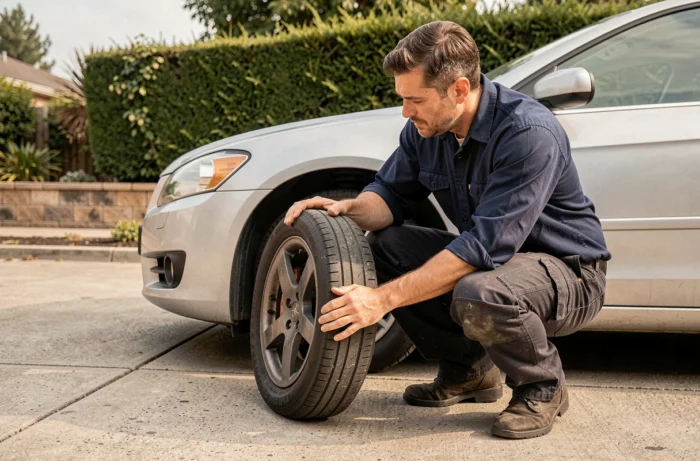
Owners of electric vehicles often find an overall lower maintenance bill for engine-related items. The tires of an electric vehicle wear out faster due to the high weight and torque delivered from the start. Monitoring pressure, alignment, and wear becomes a crucial task.
For gasoline vehicles, the regularity of oil changes and oil filter replacement remains the most frequent operations. Delays in these interventions lead to premature engine wear.
Maintenance History and Repairability: Two Underestimated Criteria at Purchase
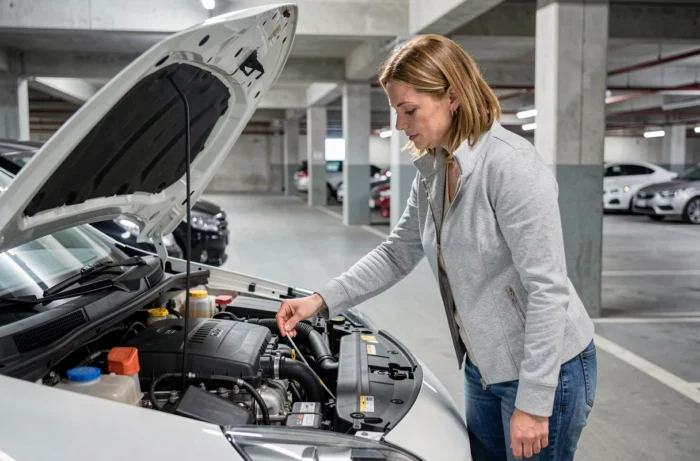
The aging of the French vehicle fleet is pushing more buyers toward the used market. In this context, maintenance history weighs more than the displayed mileage. A vehicle with 120,000 km that has a service record from a professional presents less risk than a model with 70,000 km with no maintenance record.
Several technical elements listed on the signalauto.net website for cars allow for assessing the actual condition of a vehicle before finalizing a purchase, including the consistency between age, mileage, and declared interventions.
For used electric vehicles, an additional criterion comes into play: the repairability of the high voltage battery. According to France Assureurs, reported by L’Automobile Magazine in September 2026, only some manufacturers offer truly repairable batteries. Checking the remaining warranty, the availability of modules, and the possibility of replacing a component rather than the entire pack can prevent bills of several thousand euros.
- Always request the maintenance log or intervention invoices before any used purchase
- Check the manufacturer’s warranty on the battery (remaining duration, coverage conditions)
- Verify if the manufacturer allows the replacement of individual battery modules rather than the entire pack
- Have the vehicle inspected by an independent professional, especially the running gear and braking system
Tire Pressure and Technical Inspection: What the Data Reveals
Tire pressure remains one of the most neglected parameters by drivers, yet its impact is measurable on several fronts: fuel consumption, road holding, premature wear. An under-inflated tire increases rolling resistance and degrades braking distance.
A monthly pressure check reduces the risk of asymmetric wear and extends tire lifespan. For an electric vehicle, this check is even more important due to the extra weight from the battery.
Regarding technical inspections, several misconceptions persist about tires. The legal wear indicator (minimum tread depth) is not sufficient to guarantee proper grip on wet roads. Conversely, a visually acceptable tire that is over five years old may have micro-cracks invisible to the naked eye, detectable during a thorough inspection.

Regular Vehicle Maintenance: The Actions That Really Matter
Not all maintenance actions are equal in terms of return on investment. Some operations, performed at the right frequency, protect the most expensive mechanical components to replace.
- Check the engine coolant level (or battery circuit on an electric vehicle) before every long trip
- Monitor brake fluid: its ability to absorb moisture decreases over time, reducing braking efficiency
- Regularly clean the body and interior to limit corrosion and preserve resale value
- Test the condition of the 12V battery, including on an electric vehicle (it powers auxiliary systems)
Regularly washing the vehicle is not just aesthetic: winter salt residues and summer bird droppings attack the varnish and paint. A quick rinse after prolonged exposure limits damage to the bodywork.
From a mechanical standpoint, monitoring the brakes remains the top priority for safety. Brake pads and discs have a variable lifespan depending on driving style and vehicle weight. On an electric model with regenerative braking, pad wear is slower, but periodic visual checks are still necessary to detect uneven wear.
The choice of a vehicle and its maintenance boils down to a data-driven logic: engine type, traceable history, priority wear items. Drivers who follow a verification schedule tailored to their vehicle type, rather than a generic program, reduce both their costs and the risks of unexpected breakdowns.